
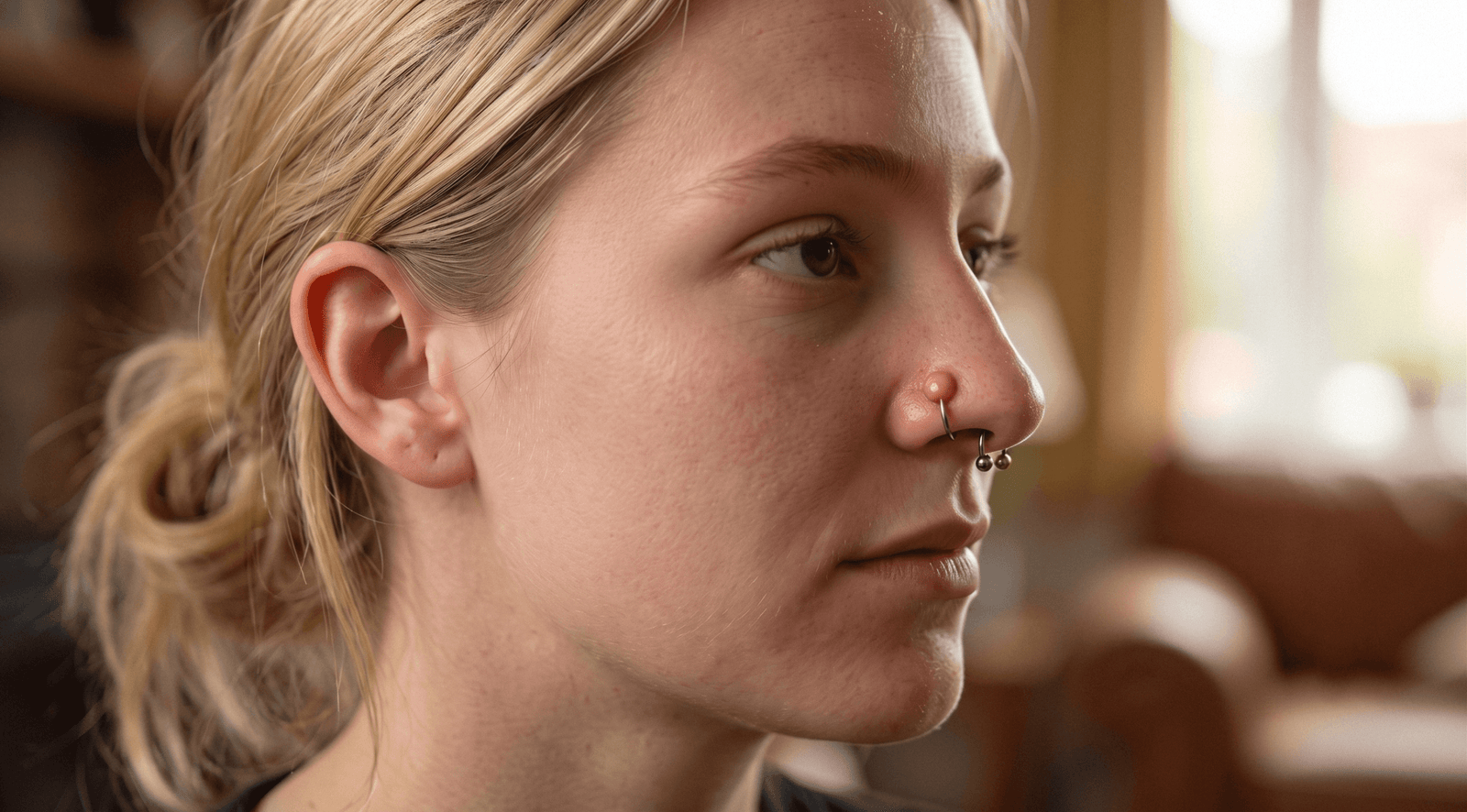
Celebrities like Florence Pugh frequently showcase flawless, intricate ear curations on the red carpet, inspiring many to expand their own jewelry collections. However, building the perfect ear project sometimes comes with unexpected hurdles. One of the most common issues enthusiasts face is the appearance of a small bump next to a fresh or healing piercing.
These localized areas of swelling are typically simple irritation bumps rather than complex dermatological issues. They often arise when the body reacts to environmental factors, friction, or the jewelry itself. Understanding the root causes of these bumps is essential for maintaining a healthy and aesthetically pleasing piercing aesthetic over time.
Identifying the Root Causes of Irritation
A bump usually indicates that the piercing site is experiencing stress. This can result from physical trauma, such as accidentally snagging the jewelry on a towel, sleeping on the side of a fresh piercing, or constantly touching the area. Constant movement disrupts the delicate tissue forming around the jewelry, leading to localized inflammation. Addressing this physical friction is the primary step in proper care.
Material Matters: Why 14K Gold is Essential
The jewelry material plays a massive role in the overall healing process. Many individuals wonder why some metals cause continuous irritation. It is highly advised to completely avoid materials like surgical steel, as they can contain mixed alloys that trigger sensitivities and prolong inflammation. Why choose 14K gold instead? 14K gold provides a highly biocompatible, non-reactive surface that minimizes the risk of adverse reactions. Upgrading to solid 14K gold allows the surrounding tissue to settle, creating a stable environment for the piercing to heal properly.
Anatomy, Placement, and The Healing Journey
A frequent question prior to getting pierced is whether individual anatomy is suitable for a specific placement. Anatomy is crucial. If a piercing is forced into an area with insufficient tissue or at an incompatible angle, the uneven pressure will inevitably cause a bump. A professional piercer will always assess the structural suitability of your ear or face before proceeding, ensuring the angle aligns with your natural curves.
Informative Notes
- Healing Timeframes: Earlobe piercings generally take 6 to 8 weeks to establish a basic healed channel, while cartilage placements like the helix, tragus, or conch require 6 to 12 months for complete stabilization. Experiencing a bump can extend this timeline significantly.
- First Piercing Recommendations: Always start with simple, lightweight stud jewelry rather than hoops. Hoops rotate and drag debris into the fresh piercing site, which is a primary catalyst for irritation bumps. Stick to high-quality 14K gold flat-back labrets for the safest and most comfortable start.
- Common Styling Mistakes: Transitioning to heavy, dangling, or intricate jewelry too early is a frequent error. Additionally, touching the jewelry with unwashed hands or over-cleaning the area strips away natural moisture, leaving the skin dry, flaky, and highly prone to irritation.
Patience and a return to basic hygiene practices are required when managing an irritation bump. By identifying the source of friction, ensuring your jewelry is made of biocompatible 14K gold, and respecting the natural timelines of the body, the area will gradually settle. In our next article, we will explore the ideal jewelry shapes for fully healed cartilage placements.

Leave a Reply